InstaPilau Outside Catering: Bringing Flavor and Culture to Your Events
 Tamu
Tamu


 Tamu
Tamu
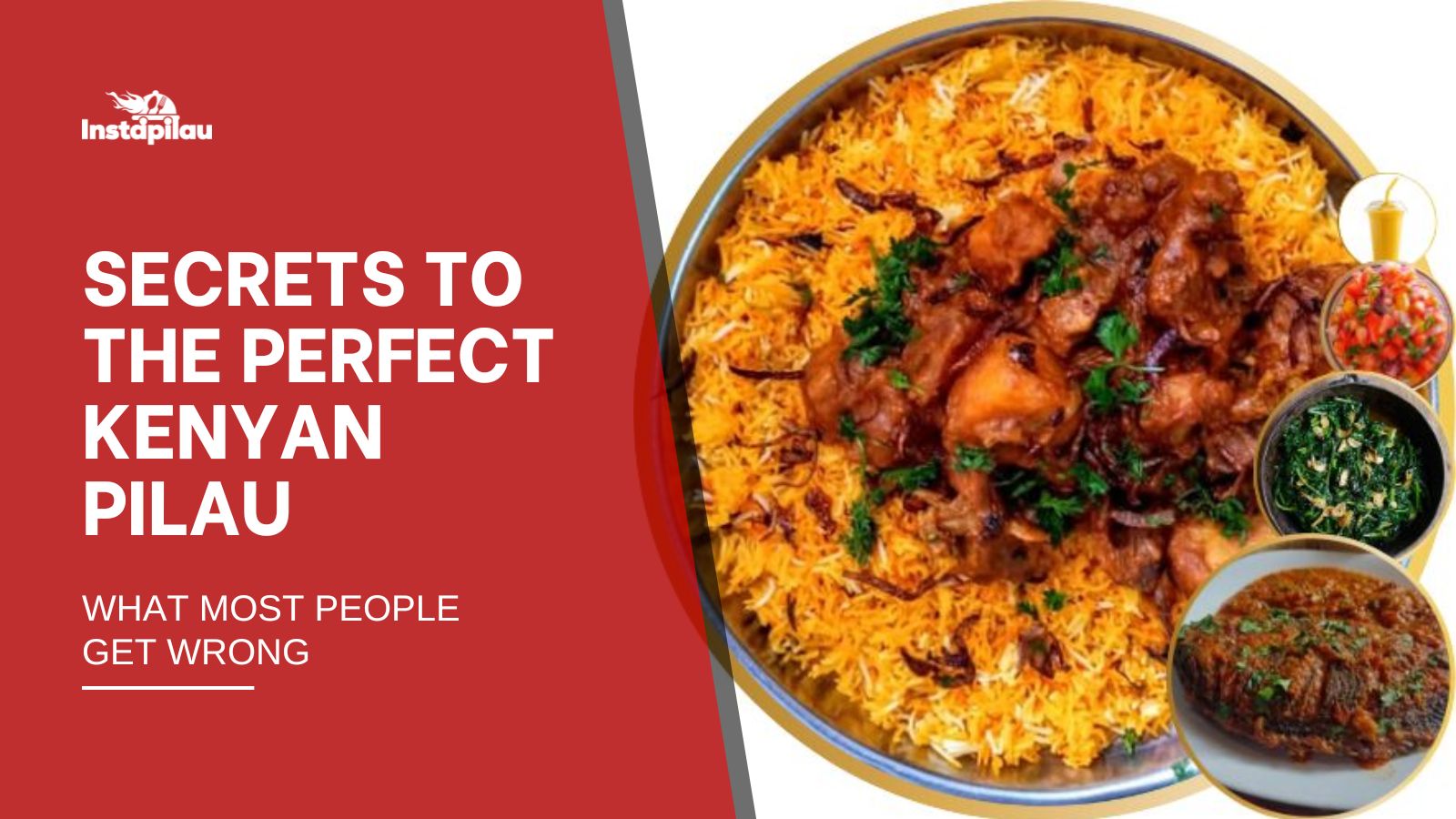
Kenyan pilau is a flavorful, spiced rice dish that holds a special place in East African cuisine. Its rich aroma and perfectly balanced spices make it a favorite at gatherings, celebrations, and family meals. However, despite its popularity, many people struggle to achieve that authentic, restaurant-quality taste. If your pilau lacks depth, turns out mushy, or doesn't have the signature deep brown color, you're probably making one or more common mistakes.
In this guide, we uncover the secrets to making the perfect Kenyan pilau and highlight what most people get wrong.
The choice of rice significantly impacts the outcome of your pilau. Many people use the wrong variety, leading to overly sticky or soggy rice.
Secret: Use long-grain basmati rice for the best results. It stays separate, fluffy, and absorbs the flavors well. Avoid short-grain or overly starchy rice, which tends to clump together.
One of the most crucial steps in making pilau is properly browning the onions. Many people rush this step, leading to a lack of depth in flavor.
Secret: Take your time to caramelize the onions until they turn dark brown. This gives pilau its signature color and enhances the taste. Patience is key—don't stop when they are just golden; go a step further.
Pilau is all about the perfect blend of spices. Some people either go overboard, making the dish overpowering, or use too little, leading to a bland taste.
Secret: Stick to the core pilau spices—cardamom, cinnamon, cloves, black pepper, and cumin. The right balance ensures a fragrant, flavorful dish without overwhelming any single note.
A common mistake is pouring all the water in at the same time and hoping for the best.
Secret: Add water gradually and in the right ratio. The perfect water-to-rice ratio is about 1.5 to 1. Avoid excessive stirring once the rice is added, as this can make it mushy.
Water is often used to cook pilau, but this results in a less flavorful dish.
Secret: Use well-seasoned beef or chicken stock instead of plain water. This infuses the rice with deep, meaty flavors, enhancing the overall taste of the pilau.
Cooking pilau on high heat from start to finish can cause uneven cooking, leading to some parts being overcooked and others undercooked.
Secret: Start with medium-high heat while sautéing the onions and spices, but once you add rice and water, lower the heat to allow slow absorption of flavors. Simmering gently ensures evenly cooked, fluffy pilau.
Many people serve pilau immediately after cooking, not allowing it to settle.
Secret: Let the pilau sit covered for about 10-15 minutes after cooking. This allows the flavors to meld together and the rice to firm up, preventing it from becoming sticky.
Achieving the perfect Kenyan pilau requires attention to detail and patience. By choosing the right rice, properly browning onions, using balanced spices, and cooking with stock at controlled heat, you can elevate your pilau game to the next level. Avoid these common mistakes, and you'll have a dish that's rich, flavorful, and authentically Kenyan.