
InstaPilau Outside Catering: Bringing Flavor and Culture to Your Events
 Tamu
Tamu


 Tamu
Tamu
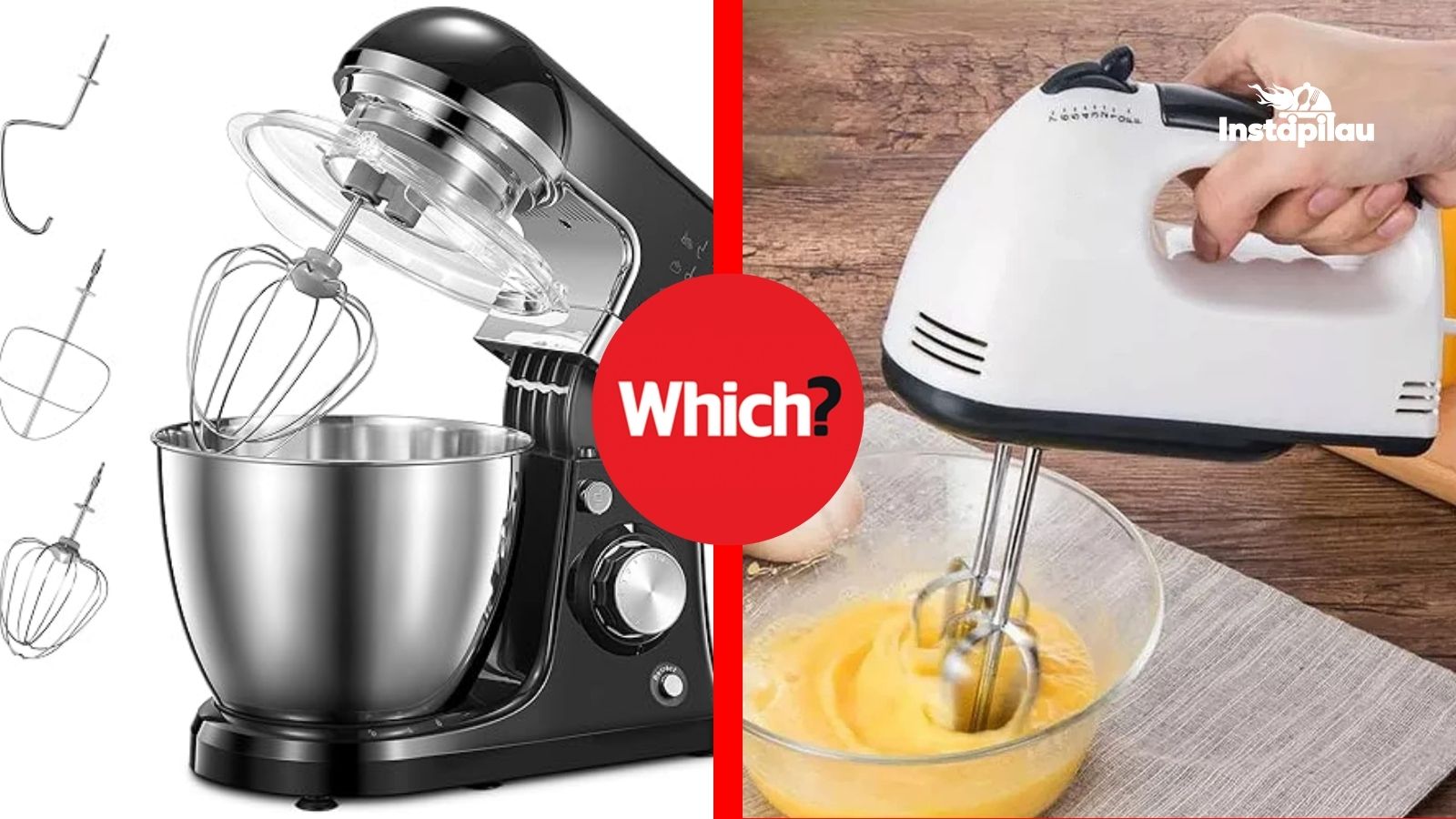
Choosing between a hand mixer and a stand mixer can be challenging, especially if you’re new to baking. Both appliances are designed to help mix ingredients efficiently, but they serve different purposes based on your baking needs. This guide compares the pros and cons of hand mixers and stand mixers to help you decide which one is best for your kitchen.
A hand mixer is a compact, handheld appliance with detachable beaters or dough hooks used for mixing, whipping, and beating ingredients.
Affordable – Hand mixers are significantly cheaper than stand mixers.
Lightweight & Portable – Easy to use and store, making them ideal for small kitchens.
Quick & Convenient – Perfect for light mixing tasks like whipping cream or beating eggs.
Easy to Clean – Most models have detachable beaters that are dishwasher-safe.
Less Power – Not suitable for kneading dough or heavy mixing.
Requires Manual Effort – You have to hold the mixer, which can be tiring.
Messier Operation – Lacks a mixing bowl, leading to potential spills and splashes.
A stand mixer is a powerful, stationary kitchen appliance with a mixing bowl and various attachments for kneading, whipping, and beating.
Powerful Motor – Can handle thick dough and large batches effortlessly.
Hands-Free Operation – Allows you to multitask while mixing.
Consistent Results – Provides even mixing with adjustable speed settings.
Versatile Attachments – Comes with dough hooks, beaters, and whisks; some models support pasta rollers and meat grinders.
Expensive – Costs more than a hand mixer, making it an investment.
Bulky & Heavy – Requires counter space and is not easily portable.
More Cleaning Effort – Includes multiple components that need cleaning after use.
| Feature | Hand Mixer | Stand Mixer |
|---|---|---|
| Price | More affordable | More expensive |
| Power | Low to medium | High |
| Ease of Use | Requires manual handling | Hands-free operation |
| Best for | Light mixing tasks | Heavy mixing, kneading, and large batches |
| Storage | Compact and easy to store | Requires dedicated space |
| Attachments | Limited (beaters, dough hooks) | Wide variety (pasta maker, meat grinder, etc.) |
| Ideal for | Beginners, occasional bakers | Serious bakers, professionals |
Both hand mixers and stand mixers have their place in the kitchen. If you’re just starting or need a budget-friendly option, a hand mixer is the way to go. However, if you bake regularly and need power and convenience, investing in a stand mixer is worth it.
A hand mixer can handle many tasks but may struggle with heavy doughs and large batches. A stand mixer is better for serious baking.
Most professional bakers prefer stand mixers for efficiency, but hand mixers are useful for quick and small tasks.
A stand mixer is best for kneading dough due to its powerful motor and dough hook attachment.
Yes, hand mixers work well for whipping cream, beating eggs, and mixing cake batter.
With proper care, a high-quality stand mixer can last 10+ years, making it a long-term investment.